
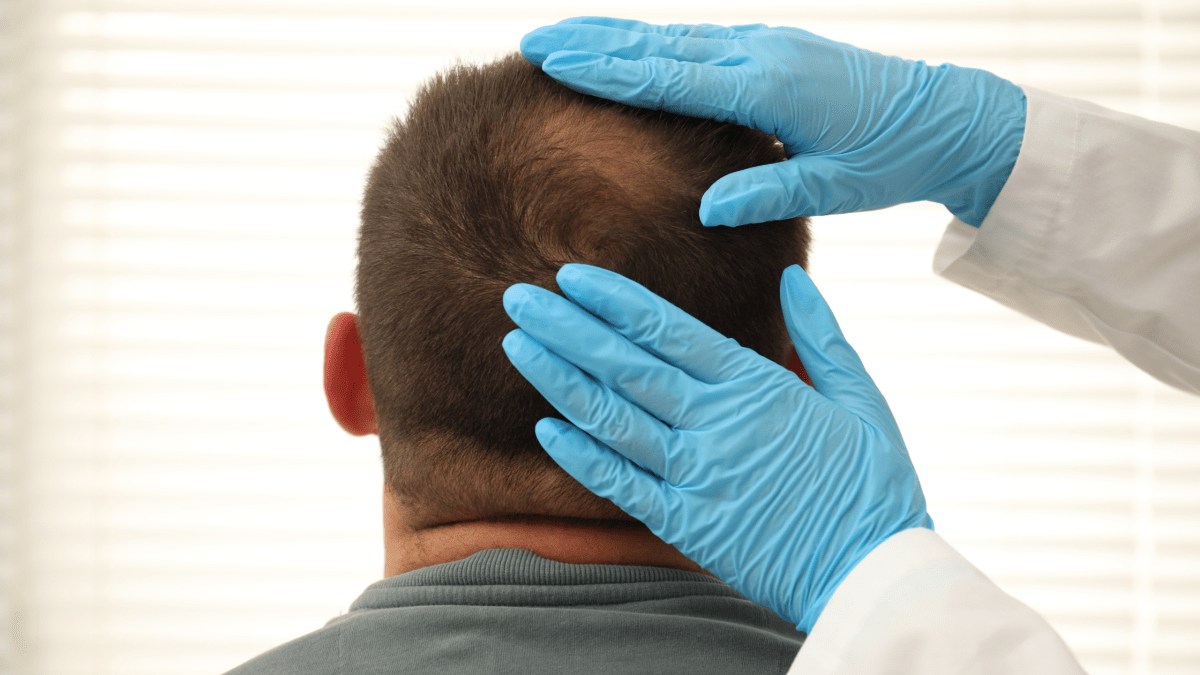
Proteins and minerals: the foundations of your hair
Hair is mainly composed of keratin, a very resistant protein. If your diet is low in protein, your body sacrifices hair to nourish vital organs. This leads to visible weakening and much slower growth.
Zinc is the ideal partner for proteins in this building process. It helps repair tissues and ensures the proper functioning of the sebaceous glands around the follicle. A deficiency of this mineral makes the hair shaft thin and fragile, facilitating early thinning.
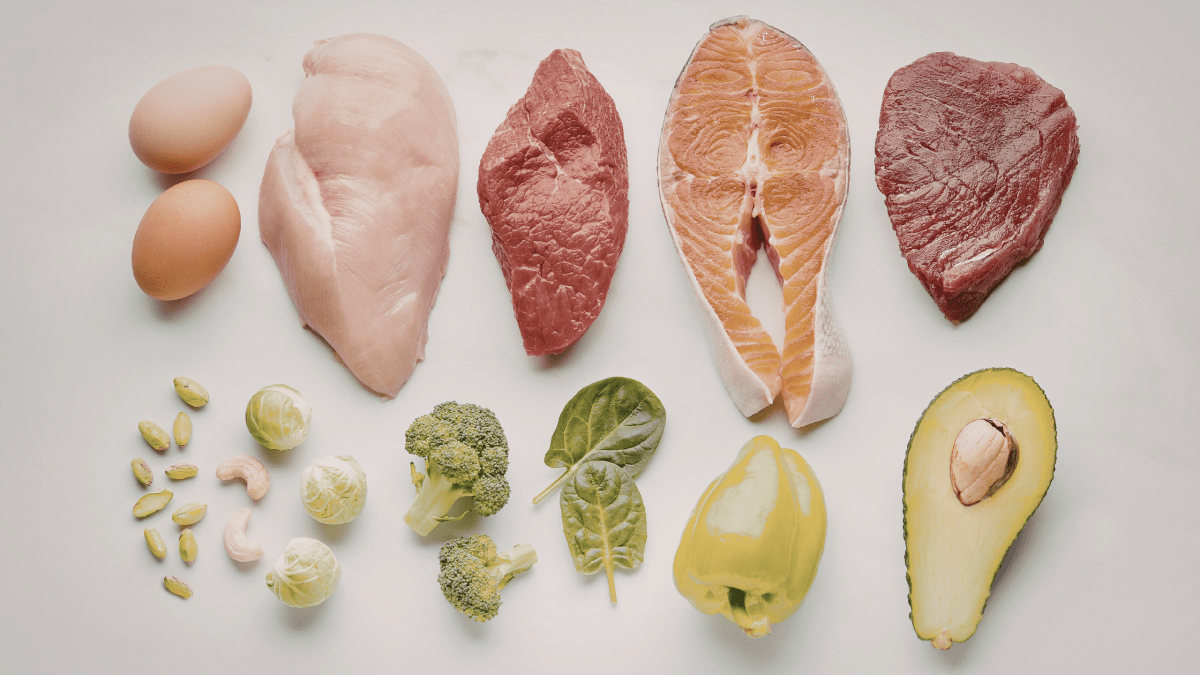
You can find these valuable resources in lean meat, legumes, and pumpkin seeds. Integrating these foods into your weekly routine is the first step to stabilizing hair structure. Remember that consistency in diet trumps any last-minute quick fix.
The importance of iron for oxygenation
Iron transports oxygen to the hair follicles through the blood. If levels are low, the follicle enters a kind of early dormancy. Including spinach or red meat in moderation helps keep hair in an active growth phase.
The role of biotin and B vitamins
B vitamins are the energy engines of your scalp. Biotin, in particular, is known for its ability to improve keratin quality. Many men notice shinier, stronger hair after balancing their intake of this vitamin.
Don't underestimate vitamin B3, also known as niacin. It promotes skin microcirculation, bringing more nutrients directly to the hair root. A well-vascularized scalp is the perfect environment to slow down natural thinning.
Fatty fish and eggs are excellent sources of these vitamin complexes. Eating salmon or mackerel twice a week also provides a good dose of healthy fats. These nutrients protect the hair shaft from oxidation and daily stress.
Omega-3 for shine
Omega-3 fatty acids are not only good for the heart but also moisturize hair from within. They prevent scalp dryness and reduce micro-inflammatory states that can worsen hair loss. Walnuts are a perfect snack to stock up on these essential fats.
Common mistakes that damage your follicles
Excess refined sugar is one of the lesser-known enemies of your hair. Insulin spikes can trigger inflammation that damages follicle health over time. Reducing sugary drinks and packaged sweets helps maintain healthier, stronger hair.
Another common mistake is following overly drastic diets to lose weight quickly. When the body enters an extreme caloric deficit, it stops sending nutrients to non-essential areas. Hair is always the first to suffer, with noticeable shedding after a few weeks.
Stress also plays a key role in how we absorb nutrients. High cortisol levels can interfere with zinc and magnesium absorption. Try to balance work with small moments of recovery to help your hair too.
Practical strategies for a sustainable routine
You don't need to turn your life upside down, just make conscious choices when shopping. Always prefer whole grains over white ones for more vitamins and minerals. This small change improves overall health and hair resistance to external agents.
Proper hydration is as essential as eating well. Water allows the transport of all the minerals we mentioned to the extremities of the body. Without proper hydration, hair appears dull, dry, and much more prone to breakage.
To strengthen your hair effectively, try to include two eggs in your weekly diet. Eggs contain biotin and high-quality protein in a single natural package. Pair them with a handful of almonds as an afternoon snack for zinc and vitamin E.
Carry the energy that inspires you
Connect the central idea of the article to a daily ritual of presence and confidence. Choose a simple gesture that helps you stay centered and consistent, every day.



Leave a comment
This site is protected by hCaptcha and the hCaptcha Privacy Policy and Terms of Service apply.