

Cedarwood in perfumery: characteristics, uses, and pairings
Cedarwood in perfumery: characteristics, uses, and pairings
Cedar is one of the most versatile and important notes in global perfumery. From classic to modern perfumeries, cedar is practically omnipresent. But what is it really and how is it used?
What is cedar in perfumery?
In perfumery, "cedar" does not refer to the fruit of the cedar plant (Citrus medica), but to the wood of various coniferous and evergreen trees, mainly from the Juniperus order and the Pinaceae and Cupressaceae families.
The term "cedar" has historically been used broadly in the world of perfumery to describe a variety of woody-amber notes derived from different trees, from which essential oil is extracted.
The main types of cedar in perfumery
1. Virginia Cedar (Juniperus virginiana)
Origin: United States, mainly from Virginia and southeastern regions.
Aromatic profile: Dry wood, slightly spicy, with notes of tobacco and aged paper. It has a masculine and nostalgic character.
Use in perfumery: It is the "classic" cedar of traditional perfumery, frequently used in barbershop fragrances and vintage-inspired styles. It creates a warm and reliable base.
2. Atlas Cedar (Cedrus atlantica)
Origin: North Africa, mainly Morocco and Algeria.
Aromatic profile: Softer than Virginia cedar. Notes of sweet wood, balm, and incense. Slightly more oriental than American cedar.
Use in perfumery: Used in modern and oriental fragrances. It creates a warmer and more sensual effect than Virginia cedar.
3. Himalayan Cedar (Cedrus deodara)
Origin: Himalayas, mainly Nepal and India.
Aromatic profile: Very delicate and refined. Slightly fruity, balsamic, and oriental notes.
Use in perfumery: Used especially in luxury and niche fragrances. More expensive and rare. It creates an extremely sophisticated base.
General aromatic profile of cedar
Characteristic notes
- Wood: Dry, earthy, woody
- Spices: Slightly peppery, sometimes with nutmeg notes
- Balm: Slightly sweet and velvety
- Tobacco/Paper: Aged, historic, nostalgic (in Virginia cedar)
- Incense: Sacred, smoky (in Atlas cedar)
Overall effect
Cedar in perfumery creates an effect of:
- Stability and longevity (it's a base note)
- Masculinity and elegance
- Classicism and timelessness
- Warmth in the fragrance's base
Why cedar is the king of base notes?
1. Olfactory stability
Cedar has very low volatility, meaning it stays on the skin for hours and hours. A fragrance with cedar as a base note will continue to be felt after 10+ hours, whereas without cedar it might disappear after 4 hours.
2. Versatility
Cedar works in any context: fresh, oriental, woody, even light floral fragrances. It is almost universally compatible with other notes.
3. Harmonic composition
Cedar creates a harmonious base that allows other notes to shine. It doesn't dominate, but supports. It's like the "foundation" of a house: essential but often not consciously noticed.
4. Psychological association
Cedar is historically associated with luxury (cedar furniture is expensive), quality (cedar resists time), and classic masculinity. A fragrance with cedar automatically seems of higher quality.
How cedar pairs with other notes
Cedar + Citrus (Lemon, Bergamot)
Effect: Classic elegance and versatility. The freshness of citrus contrasts with the warmth of cedar.
Example: Bleu de Chanel, Inferno Desiros (cedar + Sorrento lemon)
Cedar + Floral (Rose, Geranium, Jasmine)
Effect: Sophistication and romanticism. Cedar adds depth to the flowers.
Example: Guerlain L'Homme Intense
Cedar + Spices (Pepper, Cardamom, Cinnamon)
Effect: Masculinity and warmth. Spices emphasize the earthy side of cedar.
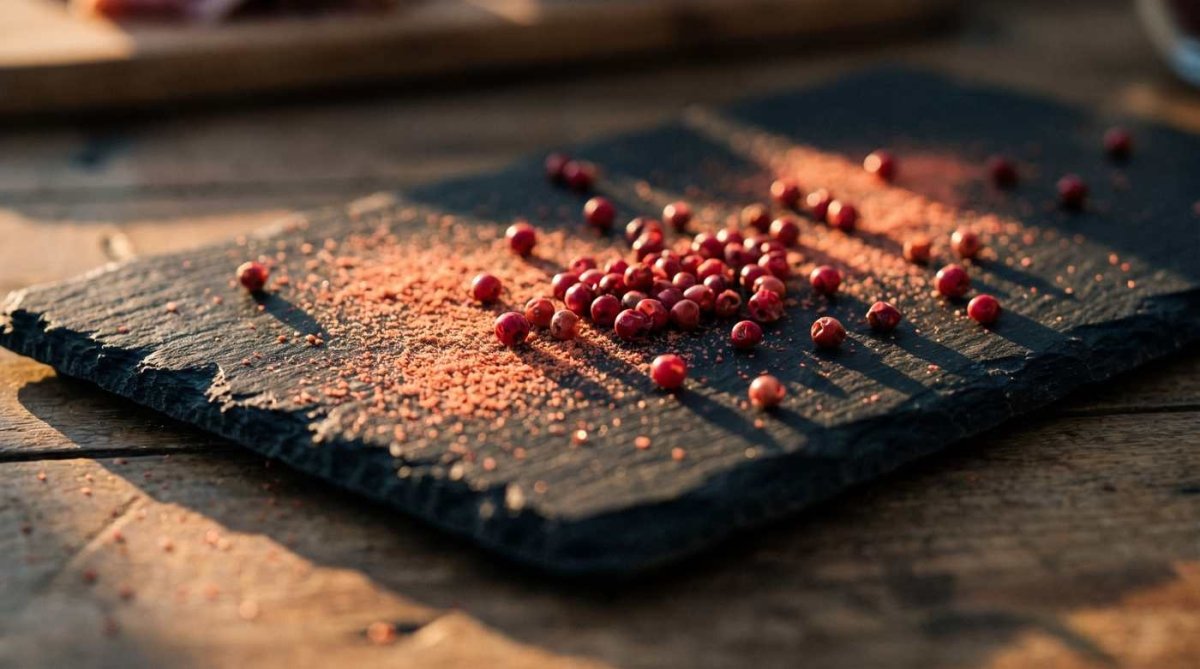
Example: Inferno Desiros (cedar + pink pepper)
Cedar + Amber/Musk
Effect: Sensuality and depth. The base becomes very warm and enveloping.
Example: Inferno Desiros (cedar + ambergris)
Cedar + Tobacco
Effect: Nostalgia and classic masculinity. Evokes vintage perfumes.
Example: Tom Ford Tobacco Vanille
Cedar in Inferno Desiros
In Inferno, cedar appears in the base note, where it combines with ambergris to create a warm, lasting, and captivating base. This combination:
- Extends longevity: Cedar ensures that Inferno lasts 8-10 hours
- Adds depth: Cedar provides a foundation on which the opening notes (lemon + pink pepper) and heart notes (geranium + rose) can shine
- Balances pheromones: Ambergris + cedar creates a sensual base that the Active Social Signal™ system amplifies
- Creates versatility: Thanks to cedar, Inferno works both day and night, in both formal and informal settings
Conclusion
Cedar is an extraordinary and often underestimated ingredient in perfumery. It is the reason why a fragrance with cedar lasts longer, is more sophisticated, and seems of higher "quality" than one without.
In Inferno Desiros, cedar in the base works in perfect harmony with the other ingredients, creating a fragrance that is simultaneously fresh (opening), elegant (heart), and captivating (base). It is the cedar that ensures Inferno remains on the skin for hours, creating a stable and lasting base.
→ Discover how cedar works in Inferno Desiros — From €65.

Written by Alessandro Bello


Leave a comment
This site is protected by hCaptcha and the hCaptcha Privacy Policy and Terms of Service apply.