
The Essential Diet to Shape Your Best Self
In short: A balanced diet built on lean proteins, whole grains and good fats, with less sugar and alcohol, is a sustainable way to feel good and look forward to the warmer season. It works best together with regular physical activity and mindful daily habits.
With the beckoning glimmer of warmer days on the horizon, it's time to consider how our current diet can pave the way for a healthful and confident season. Crafting the perfect plate doesn't have to be complex or restrictive; it's about threading smart, sustainable choices through your daily eating habits that will culminate in transformations both internally and externally.
The Power of Lean Proteins
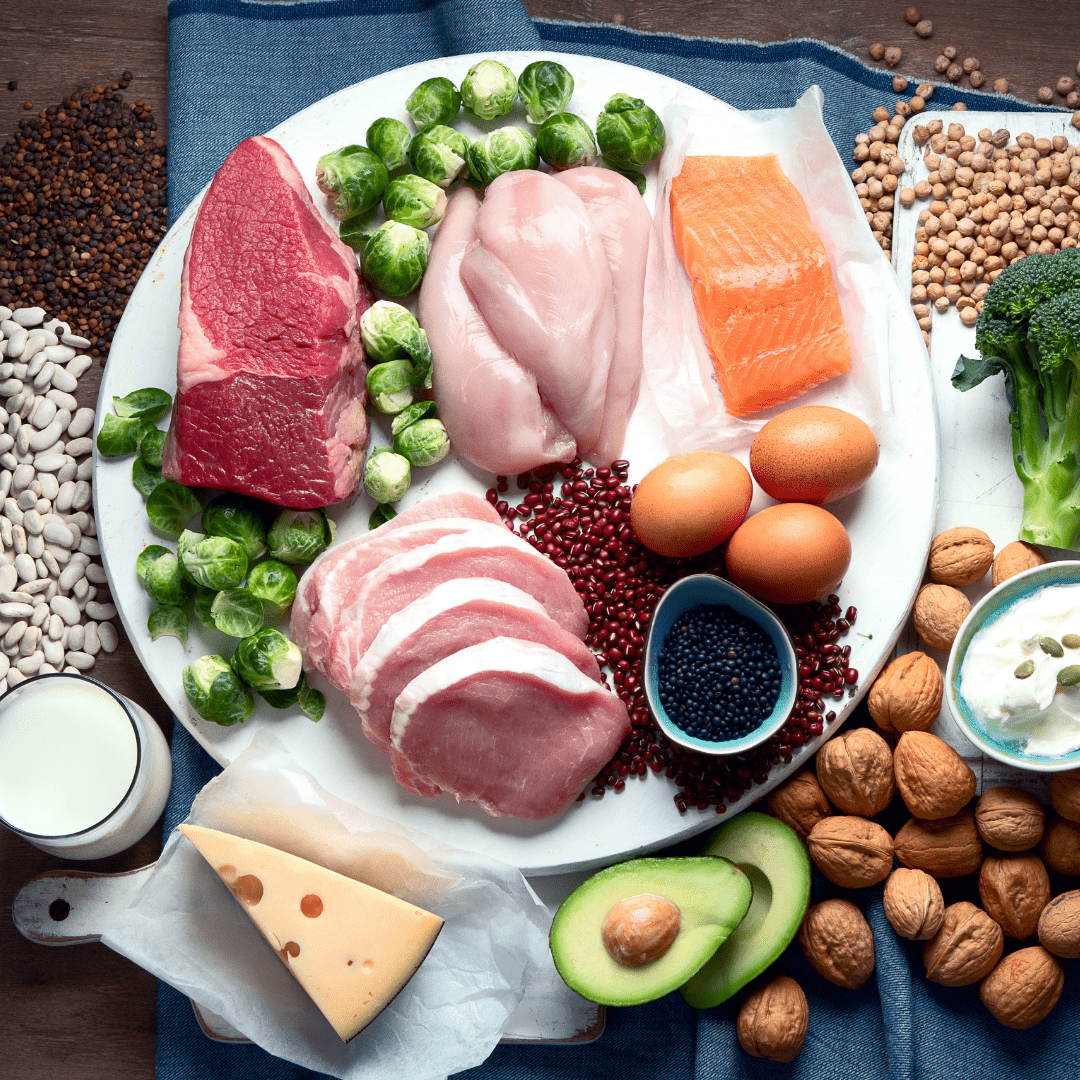
Proteins are the building blocks of muscle, and incorporating lean sources such as chicken breast, turkey, fish, and plant-based alternatives like legumes and tofu can support muscle maintenance and growth. This forms the foundation of a diet that fuels active, energy-filled days.

Wholesome Whole Grains
Carbohydrates are often villainized, but whole grains should be your trusted allies. They provide the substantial energy needed to conquer the day and are packed with nutrients. Quinoa, brown rice, and oats are examples that also offer dietary fiber, keeping you satiated for longer and supporting digestive health.

Good Fats Are Your Friends
Contrary to age-old beliefs, not all fats are foes. Monounsaturated and polyunsaturated fats found in avocados, nuts, seeds, and oily fish like salmon play a crucial role in heart health and inflammation reduction. Including these in your diet adds a layer of flavor and health benefits.

Steering Clear of Cliché Culprits
Alcohol and sugars may offer temporary pleasure, but their long-term effects can counteract your efforts towards a healthier self. Cutting down on sugary snacks and drinks, as well as reducing alcohol intake, can go a long way. It's not about deprivation but about balance and making informed choices.
Building Your Plate in Practice
Turning these principles into a daily habit is easier than it sounds. Picture your plate as a simple composition: a portion of lean protein, a generous serving of whole grains, plenty of vegetables for color and freshness, and a drizzle of olive oil or a handful of nuts for good fats. Keeping a few staples ready, such as cooked grains, tinned legumes or washed greens, makes it far easier to put together a satisfying meal on a busy evening instead of reaching for something less considered. Variety keeps things interesting, so rotate your proteins and grains through the week and let the seasons guide your choice of vegetables.
Habits That Make the Difference
The most effective changes are the ones you can repeat. Eating at regular times, drinking enough water through the day, taking the time to enjoy your meals and keeping tempting snacks out of easy reach are small decisions that add up. The occasional indulgence has its place, because a sustainable approach to eating leaves room for pleasure. If you have particular dietary needs or a health condition, a doctor or registered dietitian can help you adapt these ideas to your situation.
Fostering a Holistic Approach
A diet alone cannot perform miracles. Coupled with regular physical activity and mindful lifestyle choices, a nutritiously balanced diet can set the stage for a summer of vitality and confidence. It's not just about looking good, but more importantly, about feeling good. It's a holistic dance of wellness that embraces every aspect of health. Remember, the pursuit of confidence and allure is less about reaching a destination and more about the joy of self-discovery and health along the way.

Frequently asked questions
What should a balanced plate include?
A good starting point is lean protein such as chicken breast, turkey, fish, legumes or tofu, whole grains such as quinoa, brown rice or oats, and good fats from avocados, nuts, seeds and oily fish. Together they fuel active, energy-filled days.
Are carbohydrates bad for you?
Carbohydrates are often villainized, but whole grains can be trusted allies. They provide the energy needed to get through the day and offer dietary fiber, which keeps you satiated for longer and supports digestive health.
Which fats are good for you?
Monounsaturated and polyunsaturated fats, found in avocados, nuts, seeds and oily fish like salmon, play a crucial role in heart health. Including them also adds flavor to your meals.
Do I have to give up sugar and alcohol completely?
Not necessarily: it is not about deprivation but about balance and informed choices. Cutting down on sugary snacks and drinks and reducing alcohol intake can go a long way.
→ Explore the Desiros skincare collection and turn looking after yourself into a daily ritual.



Dejar un comentario
Este sitio está protegido por hCaptcha y se aplican la Política de privacidad de hCaptcha y los Términos del servicio.